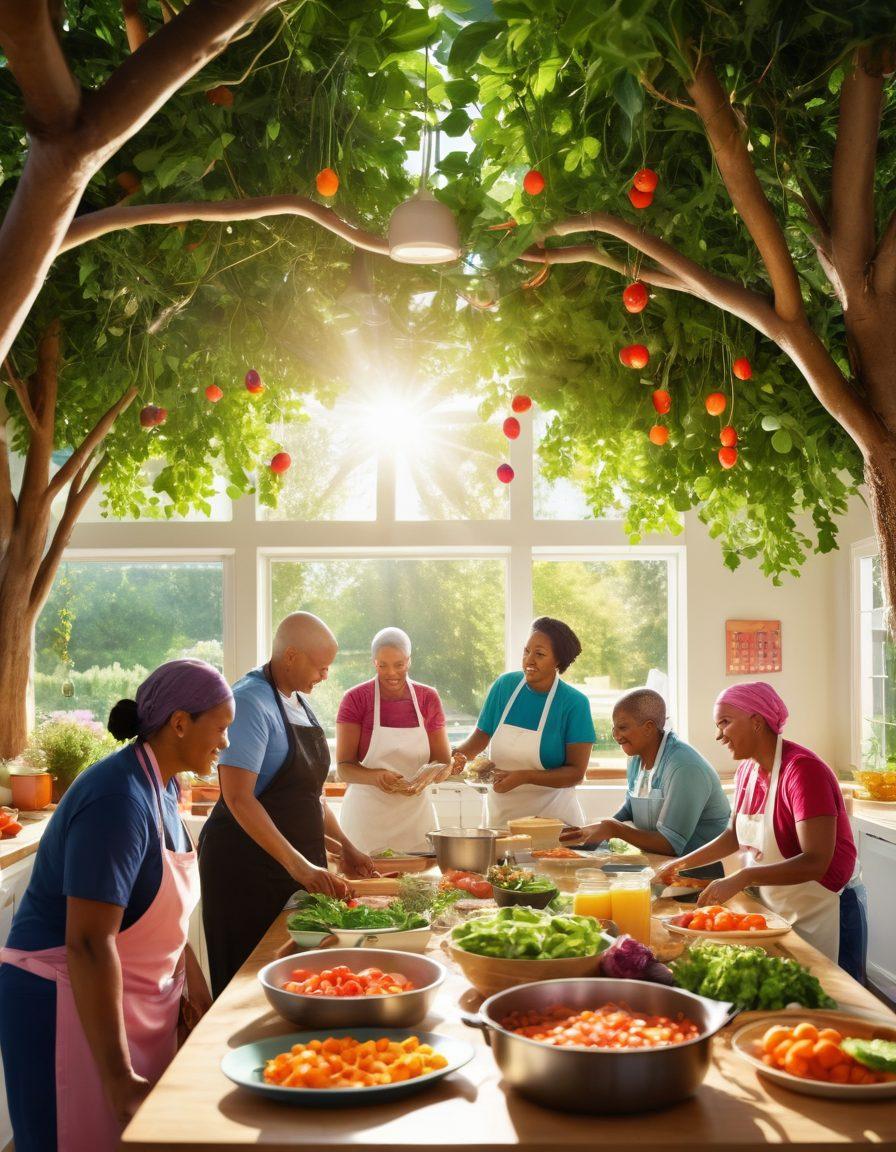
Empowering Cancer Patients: A Holistic Approach to Survivorship and Wellness
In the realm of oncology, the narrative surrounding cancer care is evolving. No longer is it just a battle against malignancies, tumors, and treatments. Today, the focus is shifting toward a holistic approach that embraces the entire person rather than simply treating the illness. This has sparked a transformative movement in cancer care, aiming to empower patients on their wellness journey while emphasizing the importance of survivorship—a word that embodies strength, resilience, and hope. How can we, as a community, contribute to this holistic wellness journey for those navigating cancer?
Imagine standing at the crossroads of health management, where the paths of physical health and mental well-being intertwine. This is where holistic health steps in, offering a wealth of strategies that can significantly enhance the cancer experience. Integrative health approaches, which may include dietary support, holistic therapies, and mental health resources, play a pivotal role in managing side effects and supporting recovery. Prioritizing a healthy lifestyle and maintaining wellness resources can empower patients, helping them reclaim control over their lives during and after treatment. Have you ever considered how your everyday choices impact your health journey?
As advocates for cancer education and prevention, it is essential to spotlight the power of support networks. When individuals face a daunting tumor diagnosis, they often feel isolated. But through patient support groups, both online and in-person, they can connect with others who share similar experiences. These communities not only provide practical advice and emotional sustenance but also create a space for sharing journeys, challenges, and victories. What if every cancer patient had access to a robust support network that offered them strength and understanding?
An incredible aspect of the holistic wellness journey is that it extends beyond medical therapies. Individuals can tap into their spirituality, engage in mindfulness practices, or explore artistic outlets to enhance their emotional and mental well-being. It's about discovering what fuels one’s motivation while contributing to an overall sense of purpose. Whether through yoga, meditation, or engaging in creative outlets, these practices serve as a reminder that even amid struggles, joy, connection, and growth are within reach. What brings you joy in difficult times?
As the movement toward holistic cancer care gains momentum, the importance of cancer advocacy cannot be overstated. By championing the need for comprehensive well-being strategies, we help illuminate the path for others. In the age of health blogs and social media, sharing stories of survivorship, resilience, and recovery becomes vital. How can we encourage others to advocate for their well-being in a system that sometimes sidelines these crucial aspects? Whether it's sharing a blog post, starting a conversation about holistic health, or simply leading by example, every action counts in this collective endeavor to transform cancer care.
Nurturing Survivorship: Integrative Health Practices for Cancer Patients
Navigating the tumultuous waters of cancer can often feel overwhelming for patients and their loved ones. An oncology diagnosis brings a swirl of emotions, information, and fears. Amidst the challenges presented by malignancy, a light of hope shines brightly through a holistic approach to survivorship: integrative health practices. Imagine a journey where cancer care does not stop with treatments but rather embraces the entire person, fostering complete health management and wellbeing. This blog aims to shine a light on nurturing survivorship through holistic health.
What does it mean to adopt an integrative health approach? It’s a powerful concept that combines conventional cancer therapies with complementary practices that support the whole person. Picture this: you’re fighting a tumor, but alongside your medical treatments, you engage in practices like yoga, mindful meditation, and proper dietary support. These are more than just lifestyle choices; they are critical wellness resources that enhance both the mental health and physical recovery of cancer patients. By weaving these elements into their lives, patients can transform their experience and cultivate an environment of resilience and strength.
As you embark on this journey, remember the importance of emotional support. Surviving cancer isn't just about managing the physical aspects; it encompasses a whole spectrum of feelings, from anxiety to triumph. Join patient support groups or engage in support networks that resonate with you. These connections can serve as an invaluable resource, providing community and inspiration. "In the midst of every challenge lies an opportunity for growth," a sentiment often echoed in the realm of cancer advocacy. Have you considered how sharing your story may uplift not only yourself but others walking a similar path?
Incorporating dietary support into your routine can be a game-changer for survivorship. Nutrition plays a pivotal role in health management and has the power to enhance recovery and boost energy levels. Why not explore a healthy lifestyle that incorporates whole foods rich in antioxidants and nutrients? Think of vibrant fruits, vegetables, whole grains, and lean proteins — the colorful palette of nature can fuel your fight against cancer. It’s not just about what you eat; it’s about how these choices empower you in your wellness journey. Start by making small, manageable changes and see how you feel.
Finally, let’s talk about cancer prevention and the proactive steps you can take to nurture your healing journey. Survivorship is not just surviving; it's thriving. A commitment to integrative health practices can involve regular physical activity, outdoor adventures, or even simply taking moments for mindfulness. These practices encourage not only physical but also emotional and spiritual healing. As you look toward the future, ask yourself: how can you integrate these wellness resources into your daily life? By embracing a holistic view of health, you empower not just your journey but also plant seeds of hope for others. Your story can inspire and pave pathways for those who follow.
Empowering Lives: The Role of Dietary Support and Mental Health in Cancer Recovery
In a world where the word 'cancer' often evokes fear and uncertainty, it's time to turn the narrative around. Empowering lives through extensive support is not just a noble cause, it's a vital part of survivorship. Imagine a multi-faceted approach that includes dietary support and mental health, engaging the patient in their own health management. Through the lens of holistic health, we explore how these elements play a crucial role in cancer recovery, motivating patients to take charge of their wellbeing amidst the chaos of medical terminology and treatment options.
When we think about cancer care, the focus often hones in on the physical aspects—tumors, treatments, therapies. But what if we took a moment to acknowledge the emotional weight that accompanies a malignancy diagnosis? Research shows that mental health can't be an afterthought in the treatment of cancer. Those in the throes of survivorship often find support networks essential. Picture a gathering of survivors sharing their battles, their hopes, and their healthy lifestyle choices. Could this community orientation be part of the educational journey for wellness resources?
Let's unpack dietary support. Each meal becomes an opportunity for healing, a chance to nourish the body with cancer-fighting foods. Integrative health takes the spotlight here, blending traditional oncology with nutritional science. A well-rounded diet rich in antioxidants and whole foods can aid in fighting off those tumor cells lurking in the shadows. But, how can patients ensure they are adopting such beneficial routines? Here comes the role of cancer education, where knowledge acts as the greatest ally. As the saying goes, 'An ounce of prevention is worth a pound of cure.'
Mental health complements this nutritional strategy in profound ways. Stress and anxiety can undermine a patient's physical recovery, creating a cycle that is all too common in cancer advocacy. Engaging in mindfulness exercises, therapy, or support groups can foster resilience. Visualize someone stepping into a safe space where they not only share their cancer stories but also learn coping strategies. Isn't it inspiring to think that emotional wellness can actively contribute to physical healing?
Ultimately, survivorship is a journey marked by choices—big and small—that empower individuals to reclaim their lives. A commitment to holistic health inspires patients and their loved ones to embrace a healthier lifestyle filled with purpose. By combining dietary support and mental health care, we create a roadmap for recovery that reflects not just survival, but a thriving existence. So, I urge each person affected by cancer to ask themselves: How can I take an active role in my health management today? The answers might just lead to a brighter tomorrow.